Gantry cranes are essential equipment in industries such as ports, steel manufacturing, construction, and logistics. They enable efficient handling of heavy loads over large areas, supporting high-volume operations that are impossible with manual methods. While lifting capacity, span, and safety mechanisms are often emphasized, mobility is a critical yet sometimes overlooked factor that determines operational efficiency, flexibility, and safety. Understanding gantry crane mobility and its key influencing factors can help operators maximize productivity while reducing risks and maintenance costs.
What is Gantry Crane Mobility?
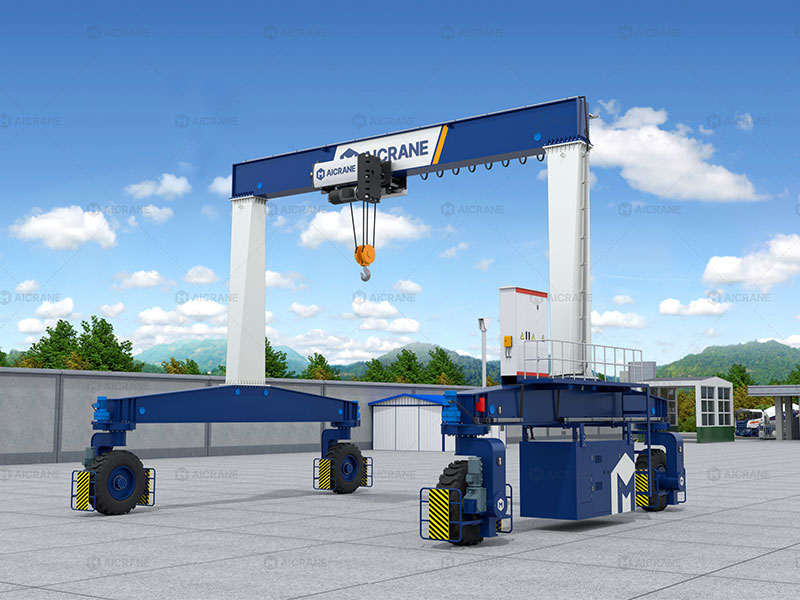
Gantry crane mobility refers to the crane’s ability to move along a designated path while carrying a load. Unlike fixed cranes, mobile gantry crane for sale can reposition themselves within a yard, workshop, or storage area, adapting to operational requirements. The degree of mobility affects workflow efficiency, the number of loads that can be moved per hour, and overall safety.
Gantry cranes can be broadly divided into two types based on mobility:
-
Rail-Mounted Gantry Cranes (RMGs):
These cranes move along fixed rails. They are highly precise and stable, ideal for container terminals, steel coil storage, and warehouses. Their mobility is limited by rail layout, but the controlled movement ensures safe operation of heavy loads. -
Rubber-Tyred Gantry Cranes (RTGs):
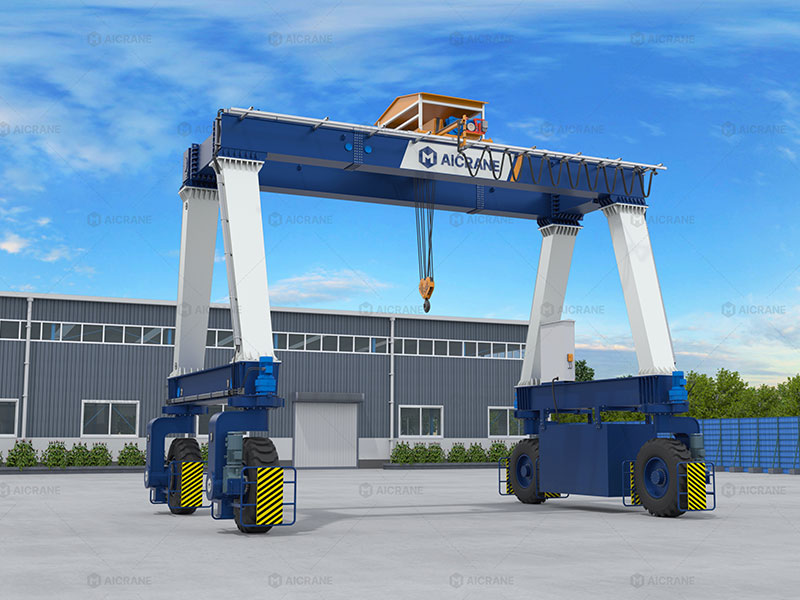
Equipped with heavy-duty tires, RTG gantry cranes can move over paved surfaces without rails, offering flexibility to operate across large areas. While more adaptable than RMGs, RTG mobility is influenced by ground conditions, tire quality, and steering systems.
Key Factors Influencing Gantry Crane Mobility
The mobility of a gantry crane is influenced by multiple interrelated factors. Optimizing these factors ensures smooth operation, reduces wear, and enhances safety.
1. Crane Design and Type
The crane’s structural design directly affects mobility. RMGs offer precise linear movement thanks to rails but lack flexibility. RTGs are designed for omnidirectional movement, requiring advanced steering systems such as four-wheel or crab steering. Factors like wheelbase, frame rigidity, and weight distribution influence how effectively the crane moves under load.
2. Load Weight and Distribution
The weight and distribution of the load are critical. Heavier or unevenly distributed loads increase stress on drive systems, wheels, or rails, potentially reducing speed and stability. For RTGs, unbalanced loads may accelerate tire wear or reduce traction, while for RMGs, they can affect rail alignment and overall structural stress.
3. Steering Systems and Control Mechanisms
RTGs rely on steering systems to navigate confined areas. Four-wheel steering allows diagonal movement, while crab steering enables rotation in tight spaces. Advanced RTGs may feature remote control or semi-automation for precise yard navigation. RMGs depend on motorized wheels and synchronization along rails. Anti-derailment systems, acceleration/deceleration controls, and load sensors enhance mobility safety and smoothness.
4. Ground and Surface Conditions
The operating surface significantly impacts mobility. RTGs need even, well-maintained surfaces to prevent vibrations, tire wear, or traction loss. RMGs require precise rail leveling and alignment; poorly maintained tracks can reduce movement precision and increase derailment risk.
5. Environmental and Weather Factors
Wind, rain, snow, and temperature fluctuations affect mobility. Strong winds can sway cranes, especially RTGs, requiring speed adjustments or temporary halts. For RMG cranes, temperature changes may expand or contract rails, affecting alignment. Surface water or ice reduces traction for rubber-tyred cranes, influencing safe movement.
6. Drive Systems and Power Sources
Gantry cranes can be powered electrically, by diesel, or with hybrid systems. Electric drives offer precision, energy efficiency, and faster acceleration. Diesel engines enable independent movement over larger areas without relying on external power. Hybrid systems combine the advantages of both, offering flexibility and sustainability.
7. Automation and Smart Mobility Technologies
Modern cranes increasingly integrate automation. GPS-guided navigation, IoT sensors, and AI-assisted movement enhance accuracy, prevent collisions, and optimize travel paths. Automated mobility reduces human error, improves safety, and increases operational throughput, particularly in congested yards.
8. Maintenance and Operational Practices
Regular inspection is vital to maintain mobility. RTG maintenance includes tire checks, wheel alignment, and lubrication. RMGs require rail inspections, motor servicing, and track alignment monitoring. Proper operator training ensures safe and efficient navigation, minimizing operational risks and downtime.
Practical Implications of Mobility
Understanding and optimizing gantry crane mobility brings tangible benefits:
-
Operational Efficiency: Well-mobilized cranes reduce loading/unloading times, improving throughput.
-
Safety: Smooth, controlled movement prevents accidents, especially with heavy or awkward loads.
-
Cost Savings: Optimized mobility reduces wear on tires, rails, and motors, lowering maintenance expenses.
-
Flexibility: Mobile cranes adapt to changing yard layouts, supporting dynamic industrial workflows.
-
Sustainability: Efficient movement reduces energy consumption and environmental impact.
Case Examples
-
Container Terminal RTG Cranes: RTGs with four-wheel steering navigate narrow container lanes, increasing the number of moves per hour while reducing tire wear by 15% with proper load distribution.
-
Steel Storage RMG Cranes: RMGs transporting steel coils along rails maintain precise movement and alignment, ensuring safety even when lifting 50-ton loads repeatedly over a 100-meter track.
-
Hybrid Mobility Solutions: Some modern RTGs combine diesel backup with battery-electric power, enabling sustainable operation across large yards while maintaining precise load handling.
Future Trends in Gantry Crane Mobility
-
Electrification and Hybrid Power: Reducing emissions while maintaining operational range.
-
Autonomous Navigation: Fully automated cranes capable of obstacle detection and collision avoidance.
-
Predictive Maintenance: Using sensors to forecast wear on tires, wheels, and rails.
-
Smart Yard Integration: Coordinating multiple cranes to optimize workflow and avoid conflicts.
-
Modular Designs: Flexible frames and mobility systems to adapt to changing operational needs.
Conclusion
Gantry crane mobility is a multifaceted concept influenced by design, load management, steering systems, ground conditions, environment, power sources, automation, and maintenance practices. Optimizing these factors ensures safe, efficient, and reliable crane operations. Whether in a busy container terminal, steel warehouse, or industrial yard, understanding mobility enables operators to enhance productivity, reduce costs, and extend equipment life.
As technology advances, integrating automation, IoT, and smart mobility systems will further redefine the operational capabilities of gantry cranes, making mobility not just a mechanical function, but a strategic asset for modern industrial operations.